

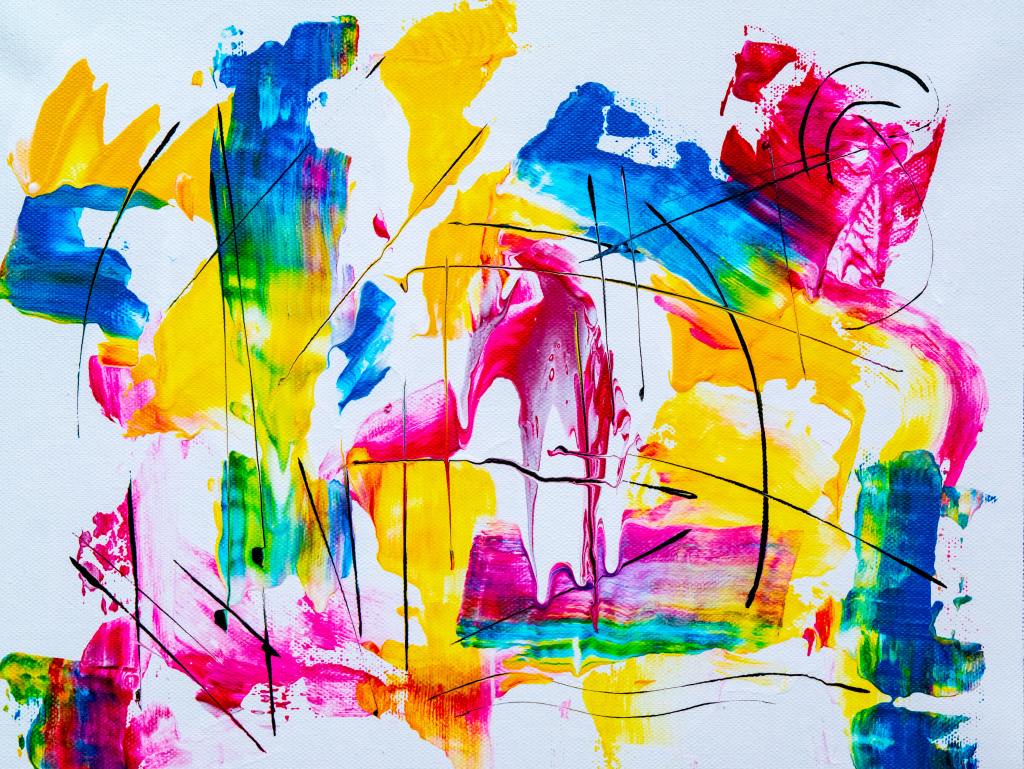
While scrolling reels, pages and sometimes ads in your social media apps, what is the first thing that catches your eye? Colors! Without consciously thinking about it, you are attracted to a variety of color that you see in your feed. Color is a powerful tool in the world of marketing, influencing consumer behavior, brand perception, and ultimately, purchase decisions. If you are a marketing professional, understanding the psychology of color can help you strategically use hues to connect with your target audience and convey the right message.
The Emotions Behind Colors
Colors evoke specific emotions and associations in our minds, which can be harnessed to your advantage in marketing:
- Red: Often associated with excitement, passion, and urgency, red can encourage impulse buying. It’s used by brands like Coca-Cola and Netflix to capture attention.
- Blue: Trust and reliability are key traits associated with blue. Many financial institutions and tech companies, such as Facebook and IBM, use blue in their branding.
- Green: The color of nature and growth, green symbolizes health, tranquility, and wealth. Brands like Whole Foods and Starbucks leverage green for their eco-friendly and natural image.
- Yellow: Yellow is all about optimism and youthful energy. Brands like McDonald’s and IKEA use yellow to create a lively, cheerful atmosphere.
- Black: Black is synonymous with luxury, sophistication, and power. High-end brands like Chanel and Rolex employ black to convey prestige.
- Orange: Orange radiates enthusiasm and vitality. Brands like Fanta and Nickelodeon use orange to evoke a sense of fun and energy.
Color in Branding
Branding is very important for any business. It distinguishes the uniqueness of your product or the service(s) that you offer. Your choice of color is not just about individual marketing materials; it’s a core aspect of branding. Consistency in color across your logo, website, and marketing materials reinforces brand recognition and emotional connections with your audience.
Cultural Variations
Keep in mind that the psychological impact of color can vary across cultures. While some associations are universal, others may differ. Asians may have a different reverence for the color Red for example, compared to other cultures in the western world. Be sure to consider your target market’s cultural context.
Color Combinations
In addition to individual colors, consider the power of color combinations. Complementary colors can create visual contrast, making your message stand out. Analogous colors can provide a harmonious and calming effect. Choosing the wrong complementary color may be disastrous to your brand.
Call to Action (CTA) Buttons
The color of your CTA buttons can significantly impact click-through rates and conversions. Research shows that contrasting colors can make CTA buttons more noticeable, but it’s essential to maintain consistency with your brand.
In conclusion, understanding the psychology of color in marketing can give you a powerful edge in conveying the right messages and emotions to your audience. Whether you’re redesigning your logo, creating marketing materials, or planning your website, the strategic use of color is an essential component of your branding and marketing strategy.

Source of Inspiration: “Color Psychology and Color Therapy” by Faber Birren
Photo Credit: https://www.pexels.com/photo/photo-of-abstract-painting-on-canvas-1812960/
Discover more from Ettenyl Writes
Subscribe to get the latest posts sent to your email.

