
When I first landed in Seoul, I thought this city never slept. Everywhere I looked—crowded streets, flashing signs, people moving as if life was on fast-forward. My instinct? These Seoul-ites probably eat stress for breakfast.
I was dazzled by technicolor skyscrapers and sleek subway stations. The city felt ultra-modern, ultra-efficient, ultra eternal caffeine. I wondered: Where do they breathe?
first impressions: fast life, fast city
Seoul looked like a future city before my eyes. People rushing like they had deadlines with destiny. I felt both inspired and slightly anxious—like I’d walked into someone else’s life plan.
It was beautiful, yes. But heavy—a bit like breathing in city smoke mixed with ambition.
major tourist stops—and a surprise shift
Of course, I did the must-sees: Gyeongbokgung palace, Bukchon hanok village, Insadong craft lanes. And as I stood among traditional hanok houses and listened to palace guards do their ceremonial thing, something clicked.
This city wasn’t just modern.
It was deeply rooted in its heritage.
The past wasn’t overshadowed by the future—it stood side by side with it.
They cared enough to preserve their identity. That’s something rare.
hidden gem discovered: buam-dong and whanki museum
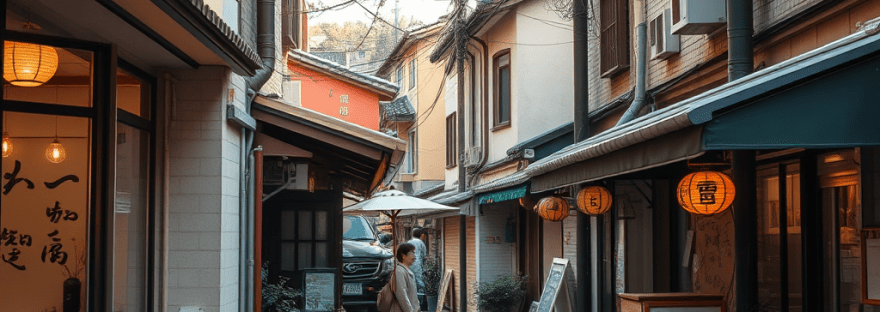
The real magic came when I stepped off the tourist track and into Buam‑dong. A quiet neighborhood north of the palace area, filled with cozy cafés, small galleries, and winding streets that feel like Seoul’s secret heart. It’s peaceful, artsy, and surprisingly empty of crowds.

I also stumbled upon the Whanki Museum, tucked in Buam‑dong. An elegant spot dedicated to Korean abstract artist Whanki Kim, surrounded by gentle greenery. The whole place felt like a canvas come to life. It wasn’t touristy—it was soothing.
These places reminded me: places that appear hidden often carry the deepest stories.

planning tips for enriching travel
- Do research beyond guidebooks. Map Buam-dong or look up Whanki Museum before you go.
- Skip peak hours at major sites. Go early or late to feel them in peace.
- Walk local neighborhoods. Each tells a unique story—Seongsu-dong, Ihwa mural village, Mangwon Market.
- Balance tourist sights with low-key discoveries. That’s where richness hides.
why this city felt personal
I couldn’t help but think: if we, in the Philippines, preserved our colonial heritage or ancestral towns the way Seoul cares for its hanok villages, maybe our youth would feel more pride in our roots.
Seoul taught me that culture is both a living memory and a landmark. When people protect their stories—through architecture, art, markets—they show they value their identity.
That gave me hope. As a mother, writer, and citizen—I wish the same respect for heritage would spark deeper love for our own country.
Seoul isn’t just neon lights and K-pop. Its soul lies in quiet corners, centuries-old homes, peaceful cafes on tree-lined streets, and museums that feel like meditation spaces.
That’s the Seoul I fell in love with.

Discover more from Ettenyl Writes
Subscribe to get the latest posts sent to your email.

